
Measuring brain electrical activity may help ID narcolepsy in children
Testing may distinguish condition from other sleep disorders, new study finds
Written by |
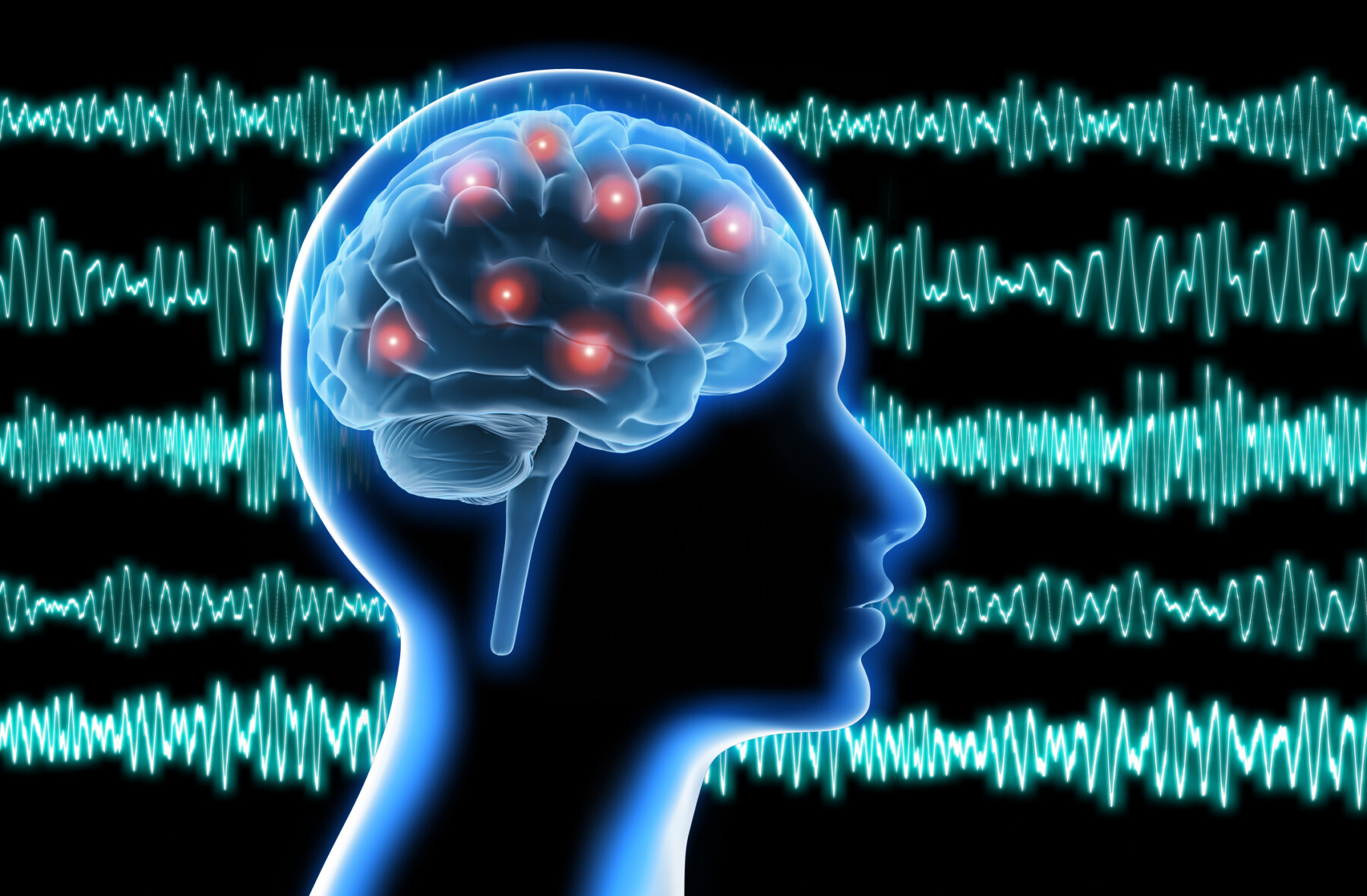
Tests of electrical activity in the brain during sleep may help identify children with narcolepsy. (Image from iStock)
Looking at patterns of electrical activity in the brain during sleep may help to distinguish between children with narcolepsy and those with other sleep-related disorders, a new study from Australia demonstrates.
The researchers noted that “previous studies examining sleep [electrical activity] in patients with narcolepsy and [other conditions] have studied small populations that mainly included adults, using differing methods of analysis.” This was the first, according to the team, to focus on identifying youngsters with narcolepsy versus “sleepy children” with other conditions or those not meeting diagnostic criteria for sleep disorders.
“Understanding [brain electrical activity during] sleep in combination with clinical history may aid in distinguishing between groups of children referred for assessment of [excessive daytime sleepiness], particularly those who do not meet strict diagnostic criteria for a primary disorder of [sleep],” the researchers wrote.
The findings also showed that, among children who report unusual sleepiness but do not meet full diagnostic criteria for narcolepsy or other such disorders, brain activity during sleep shows abnormalities. The researchers noted that “many of these children develop narcolepsy later.”
The study, “Differences in Sleep Spindle Characteristics Between Children With Narcolepsy and Those With Other Causes of Subjective Sleepiness,” was published in the Journal of Sleep Research. The work was funded by Australia’s National Health and Medical Research Council.
There are multiple types of health problems that are marked by abnormal sleepiness during the daytime. One such disorder is narcolepsy, which is characterized by attacks of excessive sleepiness during the day and disrupted sleep during the night. A similar sleep disorder, called idiopathic hypersomnia (IH), is marked by persistent daytime sleepiness even after a full night’s rest.
When kids are referred to doctors due to concerns about unusual daytime sleepiness, it’s not always easy to distinguish between narcolepsy and IH.
Looking at sleep spindles to ID narcolepsy
Sleep spindles are a characteristic type of electrical activity that occurs in the brain during certain stages of sleep. These bursts of activity are thought to play important roles in memory and to help the brain stay asleep for the correct length of time.
To understand whether sleep spindles may help distinguish between sleep disorders in children, a group of researchers from Monash University in Melbourne measured sleep spindle activity in 28 children with narcolepsy and 11 with IH. Children without sleep disorders, matched by age and sex, were also evaluated as controls.
The researchers found that children with narcolepsy had significantly longer and more intense sleep spindles than controls. In children with IH, meanwhile, sleep spindle characteristics were generally similar to those of controls.
The narcolepsy patients also tended to have more intense spindles toward the end of the night, whereas typically these bursts of electrical activity are most intense soon after a person falls asleep.
In addition to narcolepsy and IH, the study also involved 26 children with so-called subjective sleepiness — meaning they showed abnormal findings on sleep tests, but did not quite meet the diagnostic criteria for narcolepsy or IH.
In these children, sleep spindles were more concentrated toward the end of the night, similar to what was seen in children with narcolepsy. The duration of sleep spindles, however, was shorter than that seen in the youngsters with narcolepsy, the researchers noted.
“Our findings of differences in the subjectively sleepy group compared to controls despite the fact that they had a non-diagnostic [sleep test] suggest that this group does have differences in [brain activity during sleep] despite not meeting the strict [diagnostic] criteria. This group likely includes young people who have evolving narcolepsy or IH but do not meet the current adult criteria for diagnosis but may be diagnosed after a repeat study,” the researchers wrote.
Overall, the scientists said their data support the idea that measuring sleep spindle activity might be a useful way to help distinguish between different types of sleep disorders in children. The team noted, however, that this analysis was limited to a small number of kids receiving treatment at one center, so further work is needed to validate the results.




Leave a comment
Fill in the required fields to post. Your email address will not be published.