
Exploratory study IDs protein that may help in diagnosing narcolepsy
Researchers say biomarker candidate might aid in tracking type 1
Written by |
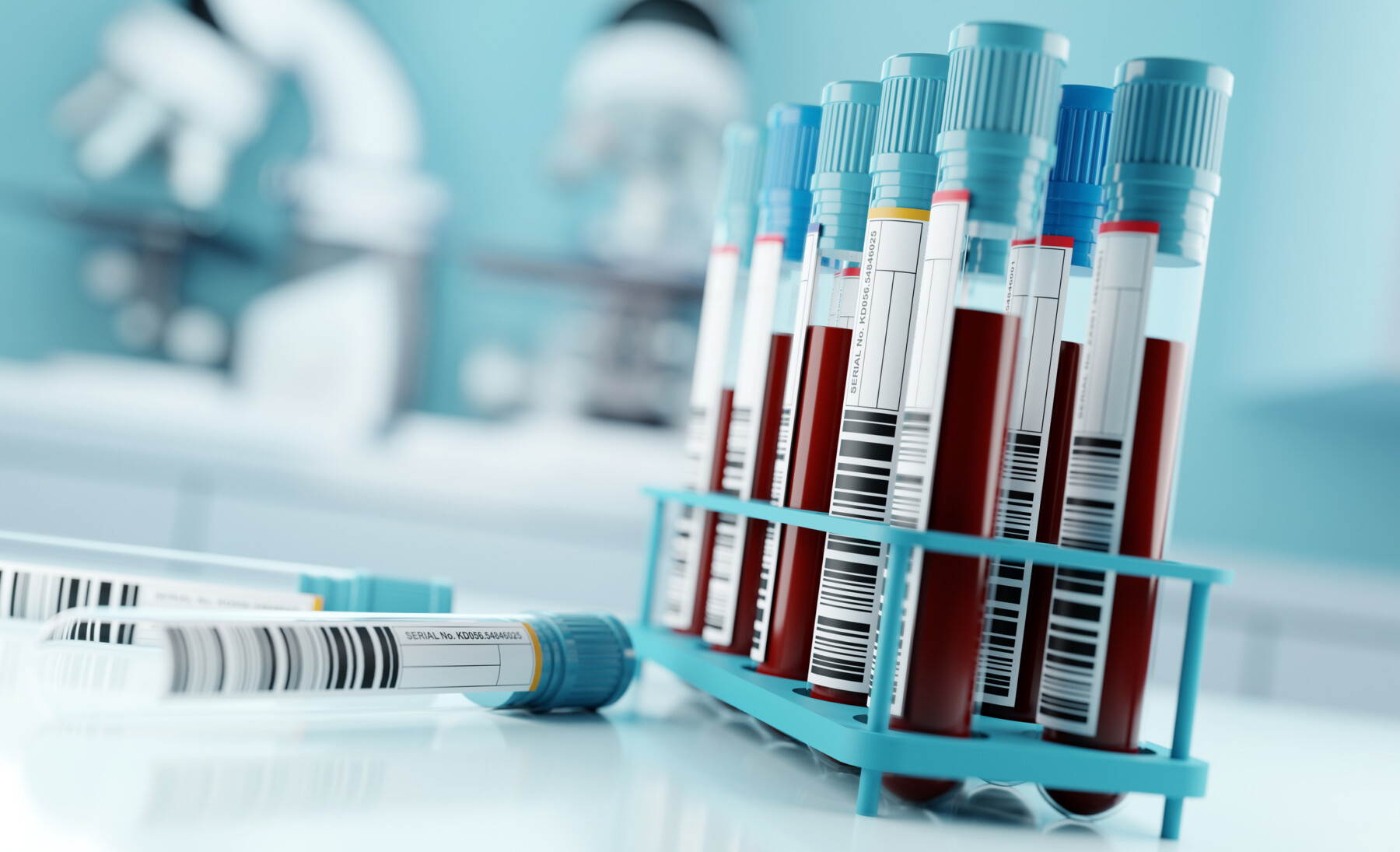
An analysis by researchers in Europe has identified the protein UNC5C as a potential biomarker for narcolepsy type 1. (Image from iStock)
A protein called UNC5C that’s involved in nervous system development may serve as a blood-based biomarker to diagnose and/or track type 1 narcolepsy (NT1), a new exploratory study reports.
After examining hundreds of proteins and gene activity in blood samples, researchers in Sweden and Finland discovered that UNC5C protein levels and gene activity were consistently lower across different groups of NT1 patients. This finding suggests the protein could be a marker in the development of narcolepsy type 1, a form of the sleep disorder characterized by cataplexy, or a sudden, brief loss of muscle tone.
The team also detected low levels of the protein ILKAP in the blood of people who developed NT1 after receiving the Pandemrix vaccine during the 2009 H1N1 influenza A outbreak in the two countries.
“This study identifies candidate serum [blood] biomarkers that may provide insight into the [development] of NT1,” the researchers wrote, describing the findings as “exploratory and hypothesis-generating” and calling for confirmation in larger groups.
The study, “Candidate biomarkers in narcolepsy in H1N1-vaccinated cohorts: A proteomic and transcriptomic study,” was published in the journal Sleep Medicine.
Narcolepsy is a rare neurological disorder that disrupts the brain’s ability to control sleep-wake cycles, leading to symptoms such as severe daytime sleepiness and sudden sleep attacks.
NT1, the most common form, is characterized by an autoimmune-related deficiency in hypocretin (also called orexin), a brain chemical that regulates wakefulness. Cataplexy, a sudden loss of muscle tone without loss of consciousness, is also a feature of NT1. Narcolepsy type 2 usually lacks both cataplexy and hypocretin deficiency.
According to current guidelines, a narcolepsy diagnosis requires several indicators, including chronic sleepiness, rapid sleep onset, and early rapid eye movement sleep, which is a sleep phase marked by intense brain activity and vivid dreaming. The presence of cataplexy and/or low spinal fluid hypocretin levels is also needed for an NT1 diagnosis.
Advances provide new opportunities to ID biomarkers
Advances in recent years in large-scale analysis of protein levels and gene activity in blood samples offer an opportunity to identify new biomarkers and better understand narcolepsy-related biology. One such method is the Proximity Extension Assay, or PEA, a highly sensitive technique that measures multiple proteins simultaneously in small samples of serum, or blood without cells.
Now, a research team used PEA to identify new blood-based biomarkers that may help diagnose and/or track narcolepsy, or measure treatment effects.
“Although NT1 primarily affects the [brain and spinal cord], serum may capture downstream biological changes and offers a readily accessible source for biomarker discovery,” the researchers wrote.
The Swedish cohort, or group, covered 39 adults with NT1 — nearly 60% of them women — and 48 healthy individuals who served as controls. A Finnish group, used for validation, comprised 38 adults with NT1 and 44 controls. Nearly 70% of the patients in the Finnish group were women. The researchers adjusted PEA protein levels for age, sex, and body mass index, a ratio of weight to height that serves as a proxy measure for body fat content.
The results showed that the Swedish cohort had significantly lower serum levels of a protein called ADAM23, associated with neurological disorders, in NT1 patients than in controls. Tests also found significant differences in 13 proteins involved in metabolism, 26 in neurology, and 16 in nerve cell growth in this group.
In the Finnish cohort, SCARB2, another protein linked to neurological disorders, was also significantly lower in NT1. Differences were also found for 13 additional neurological proteins and three nerve growth proteins.

UNC5C showed ‘potential relevance’ in 2 patient groups
A gene activity analysis detected six genes with significant differences in the two cohorts: UNC5C, VWC2, CPA2, GFR-alpna-1, CLEC10A, and HAGH. Of these, all but HAGH showed lower activity.
The researchers noted that UNC5C differed significantly at the protein and gene activity levels in both groups, “highlighting its potential relevance to NT1.”
UNC5C was the most consistent candidate biomarker finding across datasets. … These findings underscore the importance of UNC5C in neural development and suggest that further research could clarify its role in narcolepsy.
UNC5C is a receptor for the netrin-1 protein that helps guide nerve fibers, direct nerve cell movement, and regulate cell death in the developing nervous system. Mice carrying UNC5C gene mutations display a lack of muscle coordination (ataxia) and incomplete development of the cerebellum, the part of the brain responsible for balance and coordination.
“These findings underscore the importance of UNC5C in neural development and suggest that further research could clarify its role in narcolepsy,” the researchers wrote.
After the 2009 vaccination campaign for the H1N1 influenza A outbreak, NT1 cases rose in countries that used the Pandemrix vaccine. In Sweden and Finland, about 800 people developed narcolepsy after receiving this vaccination, “probably as an autoimmune side effect,” the team wrote.
With this in mind, the team compared protein levels between Pandemrix-associated and spontaneous NT1 cases. One protein, ILKAP, was lower in vaccinated patients in both groups than in unvaccinated patients. In addition, CNTN5 differed only in the Swedish cohort, while gal-8, GDF-8, GM-CSF-R-alpha, MDGA1, IL-5R-alpha, and CD200R1 differed only in the Finnish cohort.
“UNC5C was the most consistent candidate biomarker finding across datasets,” the team concluded. “Although not replicated across cohorts, ADAM23 and SCARB2 remained significant after multiple-testing correction in the Swedish and Finnish cohorts, respectively.”
More work is now needed to investigate the “potential relevance” of these findings, the researchers wrote, noting that the results “are exploratory and hypothesis-generating and should not be considered established biomarkers.” The team called for validation in larger groups of patients.




Leave a comment
Fill in the required fields to post. Your email address will not be published.