
Tooth loss tied to daytime sleepiness, snoring in large Chilean study
Researchers say oral health and sleep care may need closer coordination
Written by |
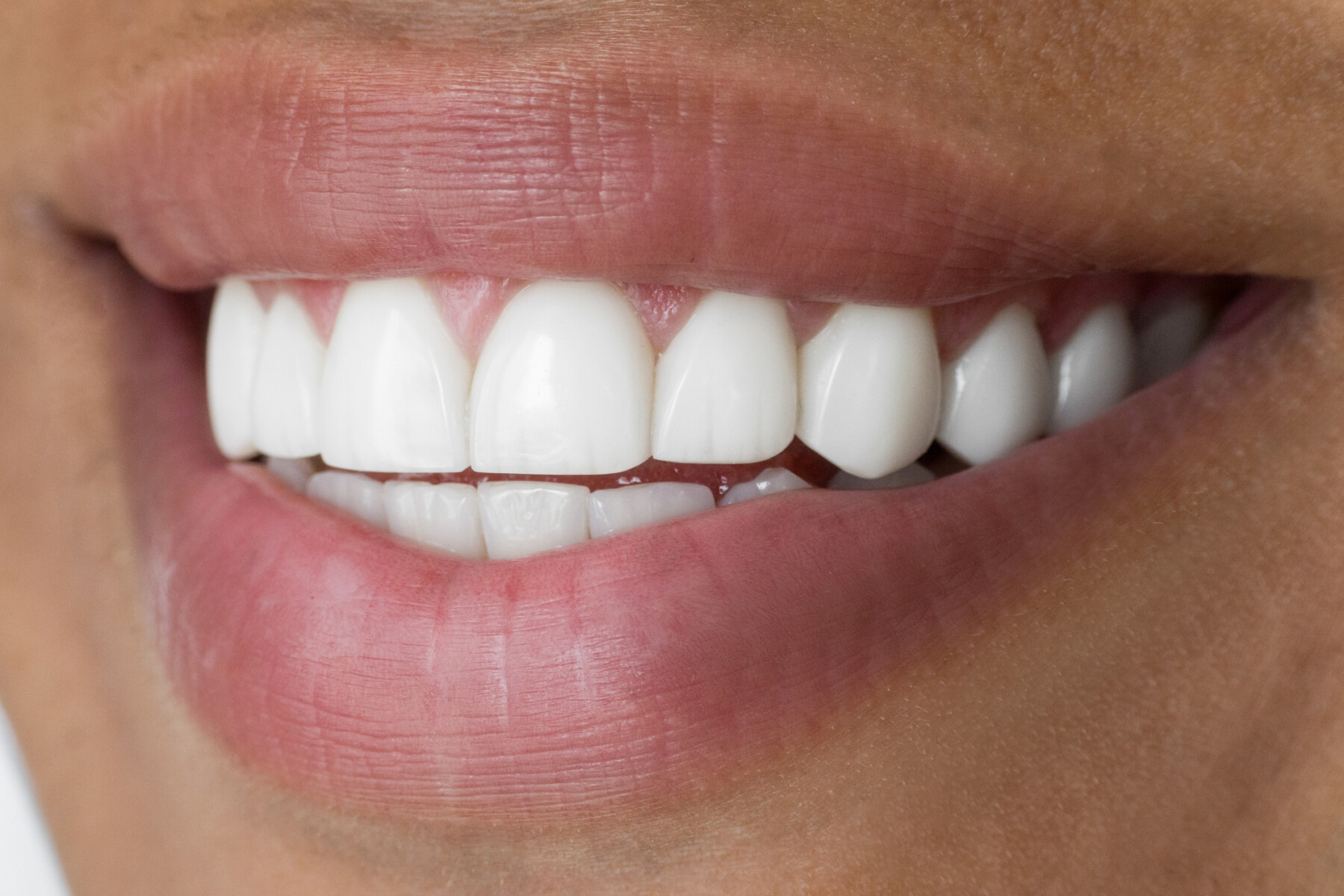
Tooth loss was linked to higher odds of daytime sleepiness and snoring in a large study of adults in Chile. (Photo from iStock)

Tooth loss is associated with daytime sleepiness and snoring, and may also be linked to excessive sleep duration, according to a large national study in Chile.
The study analyzed data from more than 5,000 participants included in the Chilean National Health Survey, and suggested that people with fewer or no teeth had higher odds of reporting certain sleep-related problems than those with 20 or more teeth.

Researchers examine oral health, sleep
“These results highlight the need for an interdisciplinary approach that integrates oral health and sleep disorder management in clinical practice, promoting better collaboration among dentists, sleep doctors, and other healthcare professionals,” the researchers wrote.
The study, “Tooth loss as a factor associated with deterioration of quality and increase in sleep duration: analysis of the 2016–2017 Chilean National Health Survey,” was published in BMC Oral Health.
Oral and sleep disorders are common health problems that may share biological and inflammatory pathways. Tooth loss, in particular, has been associated with certain systemic diseases and impaired ability to swallow and speak, which impacts quality of life. However, its link to sleep-related problems, including daytime sleepiness, snoring, and changes in sleep duration, remains to be fully characterized.
To learn more, researchers analyzed data from the 2016–2017 Chilean National Health Survey, which evaluates 72 health problems and their contributing factors.
A total of 5,009 individuals (63.1% women) were included in the study, with 23% aged 65 years and older. Slightly more than half of the participants (52.9%) reported adequate sleep duration (seven to eight hours a night), while 34.2% had insufficient sleep (less than seven hours) and 12.9% reported excessive sleep (more than eight hours).
Most participants (64.6%) retained at least 20 teeth, whereas 8.1% had complete tooth loss. Complete tooth loss was more common among those with excessive sleep duration (13.3%) than among those with insufficient sleep (6.5%) or adequate sleep (7.9%).
Tooth loss tied to snoring, sleepiness
In terms of sleep quality, 55.4% of participants reported being told they snore every night or almost every night, while 18.3% were told they experience breathing pauses during sleep. In addition, around one-third reported waking up feeling tired at least three days per week, and 18.9% reported difficulty staying awake during the day at least three days per week.
Compared with individuals with 20 or more teeth, those without any teeth or with one to nine teeth had higher odds of reporting excessive sleep duration. Although this association persisted after adjusting for possible confounding factors, the effect was not statistically significant.
Likewise, among participants aged 65 and older, a similar trend was seen between greater tooth loss and higher odds of excessive sleep duration. Again, this trend was not statistically significant after accounting for confounders.
The researchers also analyzed the association between the number of teeth and sleep quality. Individuals with complete tooth loss were 69% more likely to report frequent snoring and 58% more likely to report difficulty staying awake during the day at least three days per week than those with at least 20 teeth. Tooth loss was not linked to increased odds of breathing pauses during sleep or waking up tired.
“The findings indicate that individuals with severe tooth loss and [complete tooth loss] had higher odds of excessive sleep, snoring, and daytime sleepiness, while showing lower odds of poor sleep,” the researchers wrote. The findings also “represent a promising first step toward understanding the link between oral health and sleep hygiene, which deserves further investigation.”
Regarding study limitations, the scientists said that an analysis such as theirs, done at a single point in time, does not make it possible to assess whether tooth loss causes changes in sleep.

Leave a comment
Fill in the required fields to post. Your email address will not be published.