
Methylin (methylphenidate hydrochloride) for narcolepsy
 Fact-checked by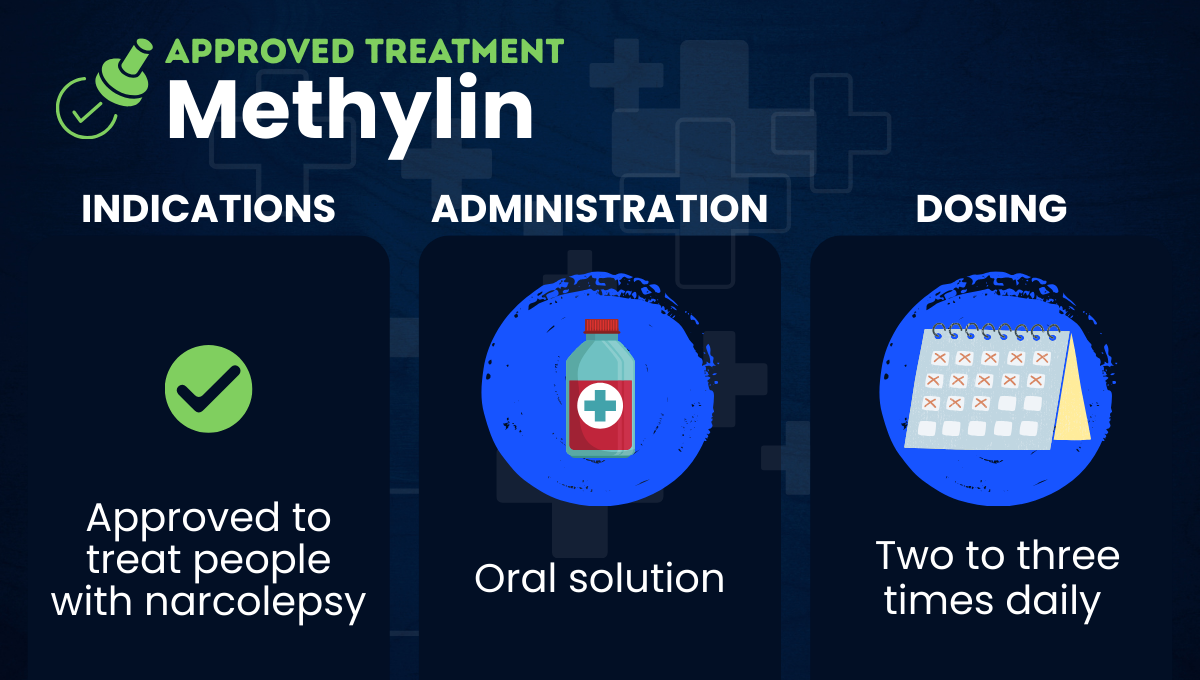
What is Methylin for narcolepsy?
Methylin (methylphenidate hydrochloride) is an oral medication that’s approved for the treatment of narcolepsy.
People with narcolepsy feel uncontrollable sleepiness throughout the day because the brain can’t properly regulate sleep-wake cycles. Methylin acts as a central nervous system stimulant, meaning it increases brain activity to boost alertness.
The medication specifically increases the levels of signaling chemicals that promote wakefulness in areas of the brain that regulate sleep cycles. This helps to ease sleepiness and improve alertness throughout the day for people with narcolepsy.
The brand-name medication is marketed in the U.S. by SpecGx, a subsidiary of Mallinckrodt, but several generic versions are also available. The drug can also be used to treat attention-deficit hyperactivity disorder.
Methylin, which comes as an oral liquid solution, has the same active ingredient and works the same way as Ritalin, another approved narcolepsy treatment that comes in the form of oral tablets.
Outside the U.S., methylphenidate products may sometimes be used for narcolepsy, although specific brand names vary and the medication does not have formal approval for narcolepsy in all regions.
Therapy snapshot
| Brand name | Methylin |
| Chemical name | Methylphenidate hydrochloride |
| Usage | Used to treat people with narcolepsy |
| Administration | Oral solution |
Who with narcolepsy can take Methylin?
In the U.S., Methylin is approved for the treatment of narcolepsy. However, the safety and effectiveness of Methylin in children younger than 6 years old have not been established.
Methylin is contraindicated, or should not be used, by people:
- with a known history of immune reactions (hypersensitivity) to any active or inactive ingredients in the medication
- who are currently using a monoamine oxidase inhibitor — a class of antidepressant medications — or who have used one in the prior two weeks
The medication should also be avoided in people with serious heart problems.
Methylin comes with a boxed warning that it has a high potential to be abused or misused, which can lead to addiction or overdose.
How is Methylin administered in narcolepsy?
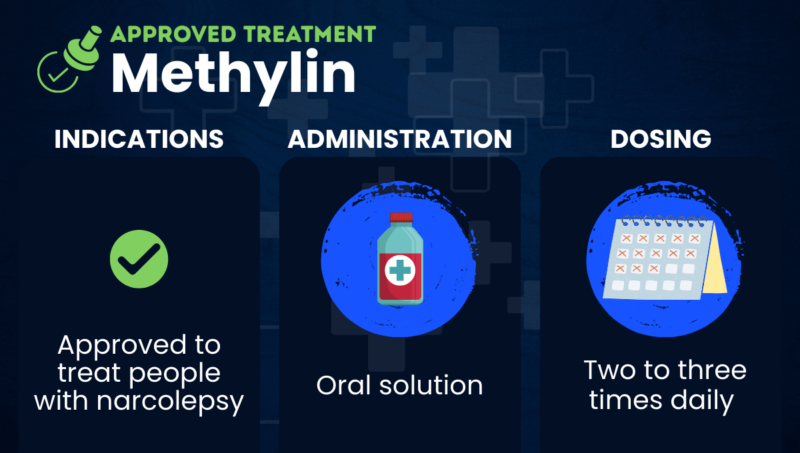
Methylin comes as a grape-flavored oral solution that’s taken two to three times daily.
- Children ages 6 and older: The recommended starting dose is 5 mg, taken twice daily (before breakfast and lunch). The dose can be gradually increased weekly to a maximum total daily dose of 60 mg.
- Adults: The medication is given in divided doses, two to three times daily, preferably 30 to 45 minutes before meals. The average total daily dose is 20-30 mg, with a maximum recommended daily dosage of 60 mg.
Methylin in narcolepsy clinical trials
No large-scale clinical trials were specifically conducted to test Methylin in people with narcolepsy. However, stimulants in its class have been used to treat the sleep disorder since the 1930s. Methylin’s regulatory approval is largely based on older, small-scale studies that tested its active ingredient, methylphenidate, as well as decades of clinical experience.
Findings from these studies generally showed that oral methylphenidate improved measures of wakefulness and eased daytime sleepiness in people with narcolepsy.
Methylin side effects
The most common side effects of Methylin are:
- fast or abnormal heartbeat
- headache
- insomnia
- anxiety
- excessive sweating
- weight loss
- decreased appetite
- dry mouth
- nausea
- abdominal pain
According to the boxed warning, Methylin carries a high risk of abuse and misuse, meaning a person inappropriately uses the medication in ways other than how it is prescribed or for non-therapeutic purposes. This can lead to the development of a substance use disorder, including addiction, and may put a person at risk of overdose or death, especially if used at higher doses or unapproved modes of administration, such as snorting or injection.
Patients should be carefully evaluated for their risk of drug abuse before being prescribed Methylin and will be monitored throughout treatment for signs and symptoms of abuse, misuse, or addiction. Methylin should always be stored in a safe place and never given to someone to whom it was not prescribed.
Methylin also carries warnings for other potentially serious complications, such as:
- sudden death in people with existing cardiovascular issues
- elevated blood pressure and heart rate
- psychiatric problems
- abnormally sustained or frequent and painful erections
- blood circulation problems
- slowed growth in children
- increased pressure in the eye and vision changes
- tics — involuntary movements or sounds — or worsening of Tourette’s syndrome
Patients will be evaluated for their risk of these complications before treatment begins and monitored for their occurrence throughout treatment. Methylin may need to be discontinued or the dose reduced if these problems arise.
Narcolepsy News is strictly a news and information website about the disease. It does not provide medical advice, diagnosis, or treatment. This content is not intended to be a substitute for professional medical advice, diagnosis, or treatment. Always seek the advice of your physician or other qualified health provider with any questions you may have regarding a medical condition. Never disregard professional medical advice or delay in seeking it because of something you have read on this website.