
MRI study finds smaller brain region in adults with narcolepsy type 1
Findings may help explain changes tied to the sleep disorder
Written by |

In adults with narcolepsy type 1 (NT1), a specific brain region called the hypothalamus is smaller than in people without the condition, according to a new study.
The findings add to a body of evidence suggesting that the hypothalamus is involved in NT1, though the researchers said the exact reasons for this damage remain unclear.
The study, “Hypothalamic volume reduction in adult patients with Narcolepsy type 1,” was published in Sleep. The work’s publication was funded by the Italian Ministry of Health.

Narcolepsy type 1 tied to changes in sleep-regulating cells
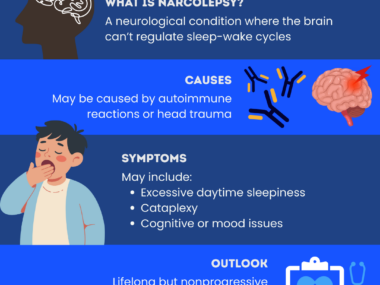
NT1 is a chronic disorder characterized by symptoms including excessive daytime sleepiness and cataplexy (sudden, brief episodes of muscle weakness). The disorder is thought to occur due to low levels of a sleep-regulating hormone called hypocretin (also known as orexin).
Hypocretin is made mainly by cells in a small region of the brain called the hypothalamus. It’s thought that these cells die off in NT1, likely due to an autoimmune attack, though the underlying mechanisms are not fully understood.
Much of the evidence for hypothalamus damage in NT1 comes from studies in which researchers analyzed brain samples from people with narcolepsy after they died. These studies can be very valuable because they allow scientists to examine brain tissue in detail, but they have a key limitation: they can only be done after death.
Since narcolepsy often starts early in life, this may be decades after the disease begins, making it harder to understand what caused the damage.
To better understand how the hypothalamus is affected in people with NT1 who are still alive, researchers in Italy used MRI scans to image this tiny brain structure in 75 adults with NT1 and 87 people without narcolepsy for comparison.
This isn’t the first time that MRI has been used to study the hypothalamus in NT1, but the researchers said this study stands out because it used a fully automated method to measure hypothalamus size, reducing the risk of human bias.
Smaller brain region seen in people with NT1
Results showed that people with NT1 had a significantly smaller hypothalamus than those in the comparison group. In more detailed analyses of specific parts of the hypothalamus, they had significantly lower volumes in all but one region of this small brain structure.
“Taken together, these findings provide evidence of persistent hypothalamic tissue alteration in long-standing NT1,” the researchers concluded.
“These findings may relate to a pathological [disease-related] process that extends throughout the hypothalamus, beyond the orexin neurons,” they added. “Other imaging studies are needed to contribute to understanding the underlying pathological process in NT1 and to clarify if quantitative imaging studies could become a potential biomarker of NT1 disease for the future.”



Leave a comment
Fill in the required fields to post. Your email address will not be published.